

EPDM vs TPO vs PVC: Which Flat Roofing System Is Best for Your Building?
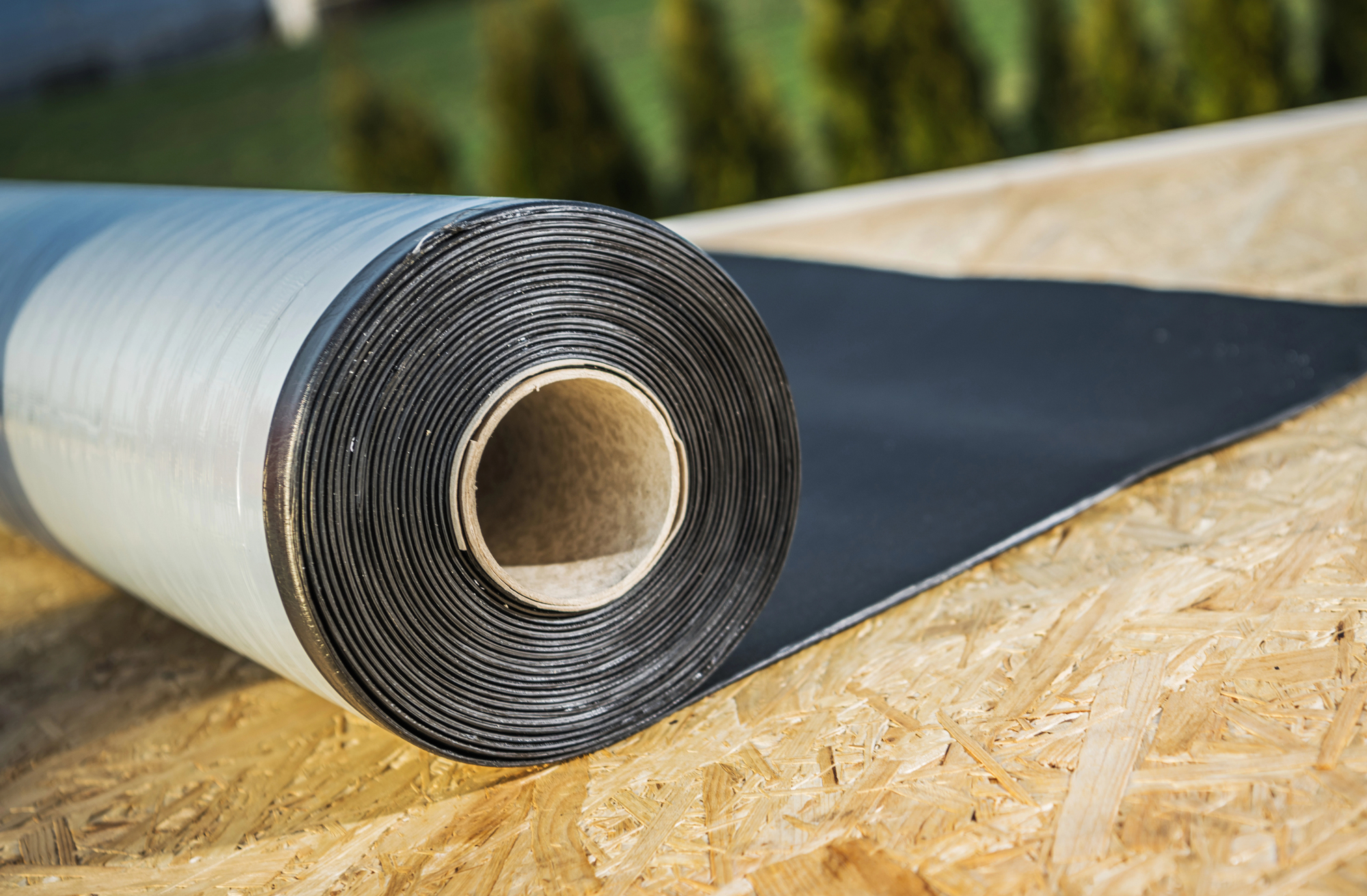
When it comes to commercial roofing, few decisions are as important as selecting the right flat roofing system. Your choice impacts installation cost, long-term maintenance, energy efficiency, durability, and overall return on investment. Among the most popular options for commercial buildings are EPDM, TPO, and PVC, each with its own strengths, limitations, and ideal use cases.
At Reliance Roofing, we help property owners, facility managers, and asset managers navigate this decision every day. Let’s explore the key differences between EPDM, TPO, and PVC roofing systems so you can make a confident, informed choice for your building.
Why Flat Roofing Systems Are So Common in Commercial Buildings
Flat and low-slope roofs are widely used in commercial construction because they:
- Support large building footprints
- Accommodate HVAC equipment and solar systems
- Are cost-effective to install and maintain
- Allow efficient drainage design
Single-ply membrane systems like EPDM, TPO, and PVC dominate the commercial market because they are lightweight, durable, and adaptable to a wide range of building types.
Overview of Single-Ply Roofing Systems
EPDM, TPO, and PVC are all single-ply membranes, meaning they consist of a single layer of roofing material installed over insulation and a substrate. Despite this similarity, their material and performance has some key differences.
Understanding these differences is essential to selecting the best system for your building’s use, climate, and budget.
EPDM Roofing: Proven Durability and Cost Efficiency
EPDM (Ethylene Propylene Diene Monomer) is a synthetic rubber roofing membrane that has been used in commercial applications for decades. It is typically black, though white EPDM options are available.
Key Benefits of EPDM Roofing
- Exceptional flexibility, even in extreme temperatures
- Strong resistance to UV radiation and ozone
- Proven long-term performance with a long track record
- Generally lower material costs
EPDM’s rubber composition allows it to expand and contract without cracking, making it well-suited for climates with noteworthy temperature swings.
Considerations for EPDM
- Black EPDM absorbs heat, which can increase cooling costs
- Seams are often adhered or taped rather than heat-welded
- Less reflective than TPO or PVC unless a white membrane is used
Best Uses for EPDM
EPDM is an excellent choice for:
- Warehouses and industrial buildings
- Large roof surfaces where cost efficiency matters
- Buildings in colder or variable climates
TPO Roofing: Energy Efficiency and Modern Performance
TPO (Thermoplastic Polyolefin) is one of the fastest-growing commercial roofing materials on the market. It is typically white or light-colored and designed to reflect sunlight.
Key Benefits of TPO Roofing
- Highly reflective surface reduces cooling costs
- Heat-welded seams for strong, watertight performance
- Good resistance to UV radiation and punctures
- Competitive pricing compared to other single-ply systems
TPO offers a balance between performance and affordability, making it a popular choice for many commercial properties.
Considerations for TPO
- Performance can vary by manufacturer and formulation
- Less historical data compared to EPDM
- Requires experienced installation to ensure seam integrity
Best Uses for TPO
TPO works well for:
- Office buildings and retail centers
- Facilities focused on energy efficiency
- Buildings in warmer or mixed climates
PVC Roofing: Superior Chemical Resistance and Longevity
PVC (Polyvinyl Chloride) is a premium single-ply roofing system known for its durability and resistance to harsh conditions.
Key Benefits of PVC Roofing
- Exceptional resistance to chemicals, grease, and oils
- Heat-welded seams create extremely strong joints
- Highly reflective and energy efficient
- Excellent fire resistance
PVC’s chemical resistance makes it uniquely suited for certain commercial environments where other membranes may degrade over time.
Considerations for PVC
- Higher material costs compared to EPDM and TPO
- Requires skilled installation for optimal performance
- May not be necessary for all building types
Best Uses for PVC
PVC is ideal for:
- Restaurants and food-processing facilities
- Manufacturing plants with chemical exposure
- Buildings requiring superior durability and performance
Comparing EPDM vs TPO vs PVC: Key Factors to Consider
When choosing a flat roofing system, the “best” option depends on your building’s specific needs. Here are the most important factors to consider:
1. Climate and Temperature Exposure
- EPDM performs exceptionally well in cold and fluctuating climates
- TPO and PVC excel in warm, sunny environments due to reflectivity
2. Energy Efficiency Goals
- TPO and PVC offer higher solar reflectivity
- EPDM may require additional insulation to achieve similar efficiency
3. Budget and Lifecycle Costs
- EPDM typically has the lowest upfront cost
- TPO offers a balance of cost and efficiency
- PVC has higher upfront costs but long-term durability
4. Building Use and Roof Traffic
- PVC handles grease and chemicals best
- EPDM resists impact well
- TPO performs well under moderate foot traffic
5. Maintenance and Longevity
- All three systems benefit from routine inspections and maintenance
- Heat-welded seams on TPO and PVC reduce leak risk
- EPDM’s simplicity makes repairs straightforward
Installation Quality Matters More Than Material Alone
Even the best roofing system can fail prematurely if installed incorrectly. Seam integrity, flashing details, drainage design, and substrate preparation all play critical roles in long-term performance.
Choosing an experienced commercial roofing contractor (like Reliance Roofing) ensures:
- Proper system selection
- Manufacturer-approved installation methods
- Compliance with warranty requirements
- Long-term performance and reliability
At Reliance Roofing, system recommendations are always based on building use, budget, and long-term goals instead of a one-size-fits-all approach.
Long-Term ROI and Roof Performance
Each roofing system offers a strong return on investment when properly matched to the building and maintained consistently. The key to maximizing ROI lies in:
- Selecting the right material
- Ensuring professional installation
- Implementing a proactive maintenance program
When these factors align, EPDM, TPO, and PVC roofs can deliver decades of reliable service.
Which Flat Roofing System Is Best for Your Building?
There is no universal “best” flat roofing system, only the best system for your business and its building.
- EPDM offers proven durability and cost efficiency
- TPO delivers energy savings and modern performance
- PVC provides unmatched resistance and longevity for demanding environments
The right choice depends on your building’s function, climate, budget, and long-term plans.
Choose Reliance Roofing: Trusted Flat Roofing System Installation
Reliance Roofing specializes in inspecting commercial properties, recommending flat roofing systems that align with business needs, and re-roofing with industry-leading expertise. We invite you to contact our Virginia roofing experts or view our work to get started today!