

How to Minimize Downtime During Commercial Roofing Projects
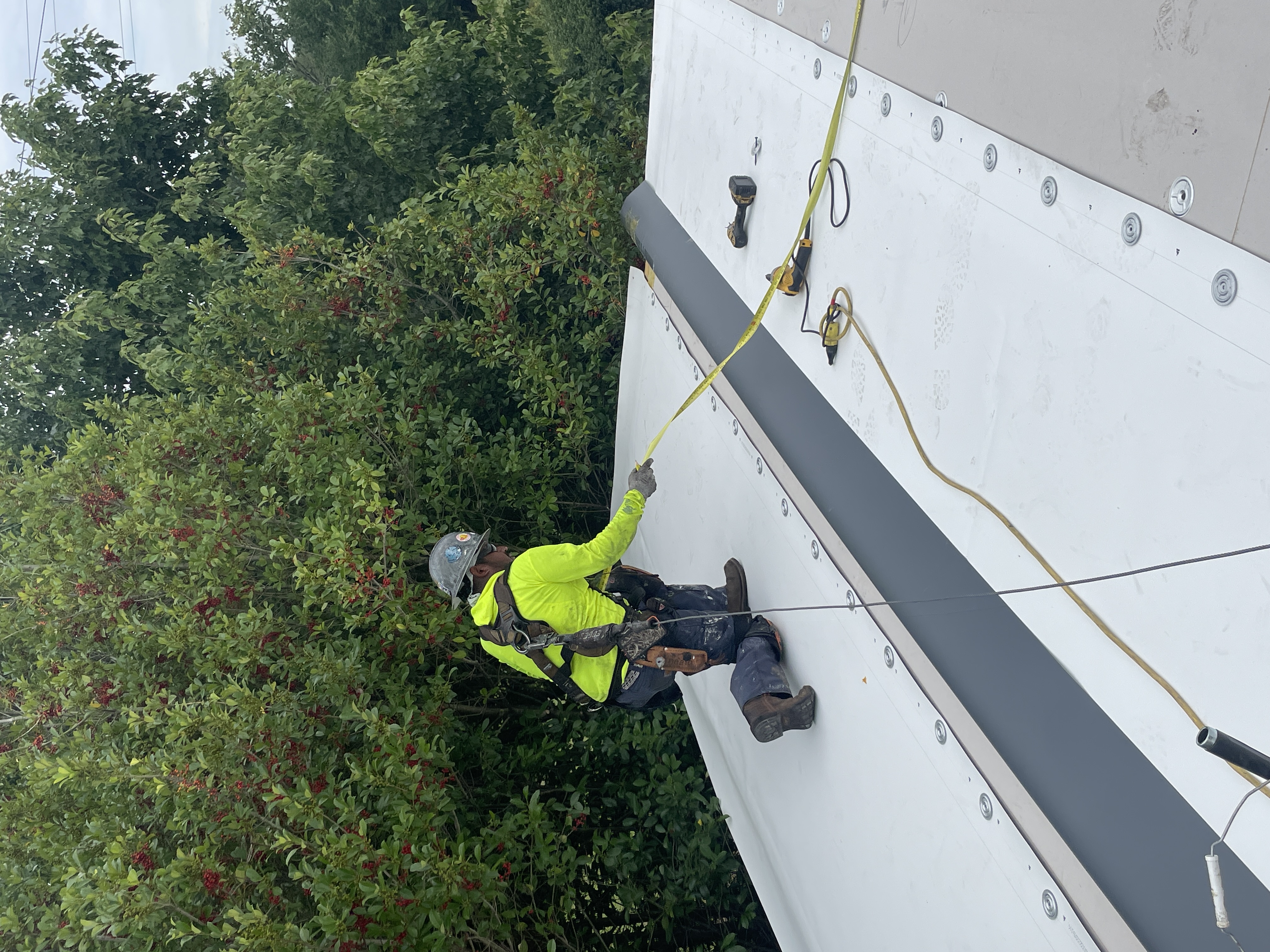
For commercial property owners and facility managers, few concerns are as critical as operational continuity. When a commercial roofing project is necessary (for repairs, restoration, or full replacement), the fear of downtime often causes delays in decision-making. Unfortunately, postponing roofing work can lead to far greater disruptions down the road.
The good news is that with proper planning, professional execution, and the right roofing partner, commercial roofing projects do not have to disrupt your business’s daily operations. At Reliance Roofing, minimizing downtime is a core part of every project strategy. Let’s explore proven methods to keep your business running smoothly while protecting one of your most valuable assets.
Why Downtime Is a Major Concern in Commercial Roofing
Downtime impacts more than just convenience. It can result in:
- Lost revenue
- Reduced employee productivity
- Tenant dissatisfaction
- Safety and liability concerns
- Missed service-level agreements
Commercial buildings can include offices, warehouses, retail spaces, medical facilities, schools, and manufacturing operations, each with unique requirements and sensitivities. A one-size-fits-all roofing approach simply doesn’t work.
Minimizing downtime starts with understanding that roofing is both a construction project and a business continuity challenge. So, how do you keep your business running through roofing renovations?
1. Start With a Thorough Pre-Project Roof Assessment
The foundation of a low-disruption roofing project is a comprehensive roof evaluation. Before any work begins, experienced commercial roofing professionals assess:
- Roof system type and condition
- Structural integrity
- Drainage and water flow
- Existing problem areas
- Building usage and peak operating hours
This upfront assessment allows contractors to develop a project plan that avoids surprises, reduces change orders, and prevents emergency delays once work is underway.
2. Choose the Right Roofing System for Your Building and Operations
Not all roofing systems require the same installation methods or timelines. Selecting the right solution can significantly reduce downtime. For example:
- Roof coatings or restoration systems often require minimal tear-off and can be completed faster
- Lightweight systems reduce structural stress and installation complexity
- Modular or phased systems allow work to be completed in sections
An experienced commercial roofing contractor (like Reliance Roofing) will help you evaluate whether a repair, restoration, or replacement is the best option for your business..
In many cases, restoration solutions can extend roof life without shutting down operations, making them an ideal choice for occupied buildings.
3. Develop a Phased Construction Plan
One of the most effective ways to minimize disruption is phased roofing execution. Instead of working on the entire roof at once, the project is divided into manageable sections. Benefits of phased work include:
- Continued access to the building
- Reduced noise and debris at any given time
- Flexibility to adjust around business schedules
- Easier coordination with tenants and staff
Phasing is especially valuable for large commercial properties, multi-tenant buildings, and facilities that operate around the clock.
4. Schedule Work Around Business Hours
Timing matters. Professional commercial roofing contractors coordinate closely with property managers to align work schedules with operational needs. Strategies may include:
- Performing noisy or intrusive work during off-hours
- Scheduling tear-off and material staging during low-traffic periods
- Avoiding peak business or seasonal rush times
For retail centers, offices, healthcare facilities, and manufacturing plants, this flexibility is critical. Find a roofing contractor that understands business operations, not just construction.
5. Prioritize Safety and Site Organization
Disorganized job sites lead to delays, hazards, and unnecessary disruptions. A well-managed commercial roofing project emphasizes cleanliness, safety, and communication. Key elements include:
- Clearly marked work zones
- Secure material staging areas
- Proper debris containment
- OSHA-compliant safety practices
When employees, tenants, and visitors feel safe navigating the property, business operations can continue with minimal interruption. Strong safety planning also reduces the risk of accidents that could halt a project entirely.
6. Maintain Clear and Consistent Communication
Downtime often increases when communication breaks down. Successful commercial roofing projects rely on transparent, proactive communication between the contractor, property manager, and stakeholders. Best practices include:
- Pre-project planning meetings
- Regular progress updates
- Advance notice of noisy or impactful work
- A dedicated point of contact
When a business knows what to expect (and when), disruptions become manageable instead of chaotic.
7. Plan for Weather and Environmental Factors
Weather is one of the most common causes of roofing delays. Experienced contractors plan around seasonal conditions and build contingency plans into the schedule. Smart planning includes:
- Monitoring forecasts daily
- Using temporary waterproofing when needed
- Prioritizing weather-sensitive areas first
This proactive approach prevents water intrusion, interior damage, and unexpected downtime caused by weather-related setbacks.
8. Protect Interior Spaces and Sensitive Equipment
Many commercial buildings contain equipment, inventory, or workspaces that cannot be easily relocated. Minimizing downtime means protecting what’s inside the building during roofing projects as much as what’s on top of it. Protective measures may include:
- Temporary roof coverings
- Interior ceiling protection
- Coordination with facility teams
- Controlled access points
These precautions allow operations to continue safely during roofing work.
9. Work With an Experienced Commercial Roofing Partner
Ultimately, the most important factor in minimizing downtime is who you choose to do the work. An experienced commercial roofing contractor brings:
- Proven project management processes
- Knowledge of occupied-building strategies
- Skilled crews trained for efficiency
- The ability to anticipate and prevent disruptions
At Reliance Roofing, minimizing operational impact is built into every project plan. The goal isn’t just to install or repair a roof — it’s to protect your business throughout the process.
Long-Term Benefits of Minimizing Downtime
When downtime is reduced during roofing projects, the benefits extend far beyond the construction phase:
- Stronger tenant relationships
- Higher employee satisfaction
- Reduced revenue loss
- Improved project ROI
- Greater confidence in future maintenance planning
A smooth roofing project reinforces trust between property owners, tenants, and service partners.
Choose Reliance Roofing to Minimize Business Downtime
Commercial roofing projects are unavoidable, but major business disruption is not. With proper planning, strategic scheduling, clear communication, and an experienced contractor, roofing work can be completed efficiently while your business stays operational.
Reliance Roofing specializes in commercial roofing solutions designed to minimize downtime, protect operations, and deliver long-term value. When your roof needs attention, contact our Virginia roofing experts or view our work to get started today!