

Reroofing vs Roof Replacement: What's the Difference?
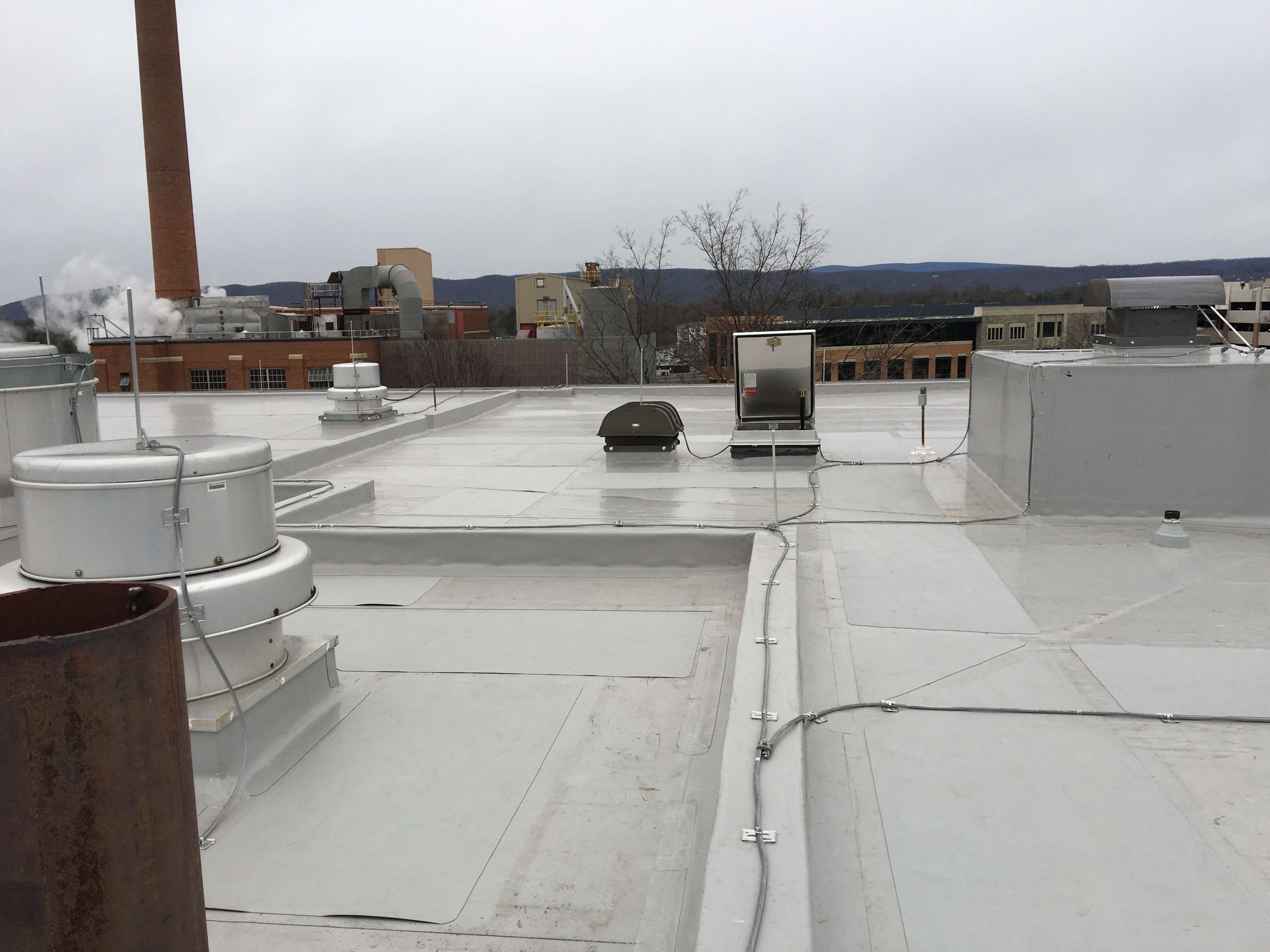
When your commercial roof begins to show signs of wear or is nearing the end of its life, one of the biggest strategic decisions you'll face is whether to reroof (overlay) or perform a full roof replacement. It's more than just a cost decision — it's about durability, long-term performance, code compliance, building structural integrity, disruption, and warranties.
At Reliance Roofing, we believe in empowering building owners, facility managers, and property stakeholders with clarity so they can make informed decisions.
What is Reroofing, and When Is It Feasible?
Reroofing (sometimes called overlaying or recovering) involves installing a new roofing membrane or system directly over an existing roof, rather than removing all existing materials. In effect, you leave the underlying roof layers in place (if they are still serviceable) and "build on top."
This approach can work best when:
- The existing roof is structurally sound, dry, and free from widespread damage.
- The substrate, insulation, and deck beneath are not compromised.
- There is only one existing layer of roofing (many building and safety codes prohibit more than two layers).
- There is minimal ponding water, no significant leaks, and the flashing details are still viable to seal properly.
Because reroofing avoids tear-off and demolition, it often results in lower labor and disposal costs, shorter project durations, and reduced disturbance to building operations.
However, reroofing is not always appropriate. If the existing roof's materials are saturated, the deck is damaged, or there is already more than one layer in place, covering up problems will only delay failure, not prevent it.
What Does a Full Commercial Roof Replacement Involve?
A full roof replacement means removing the existing roof system down to the structural deck (or as needed), inspecting and repairing the deck, upgrading insulation or vapor barriers, and then installing a brand-new roofing system with all new flashings, terminations, and membranes.
Here's why a replacement gives you a clean slate:
- You can inspect every layer (from insulation to vapor barrier to deck) and address damage or rot
- You eliminate hidden defects or moisture that may degrade performance over time
- You have full flexibility to install modern, energy-efficient materials, thicker insulation, or slope-correction systems
- You can often secure stronger warranties (since the entire system is new)
- You avoid the hidden risk of concealing failure or weak components underneath
A replacement is more labor- and time-intensive, and the cost is higher initially. But it often provides more predictability, longer life, and lower long-term maintenance costs.
Advantages and Disadvantages: Reroofing vs Replacement
Benefits of Reroofing
- Lower upfront cost. Eliminating demolition and disposal saves money.
- Faster schedule. With less tear-off, the installation is quicker, minimizing disruption.
- Less waste. Fewer materials are thrown away, which can help with sustainability goals.
- Less disturbance. For occupied buildings, reroofing can often be done with fewer interruptions to tenants or operations.
Drawbacks of Reroofing
- Concealed damage stays hidden. If the substrate or insulation is degraded, reroofing merely covers the problem.
- Shorter added life. You may not gain as many years of service as with a full replacement.
- Weight limits and code constraints. Roofing codes often limit the number of layers or total system thickness you can stack.
- Flashings and edges can be problematic. Overlaying can make flashing transitions or termination edges more challenging.
Benefits of Full Roof Replacement
- Comprehensive repair of defects. You get to see, assess, and repair the substrate, deck, insulation — everything.
- Longer life expectancy. A full replacement gives you the maximum useful life from your investment.
- Better warranty potential. Many manufacturers and installers extend stronger warranties with a full install.
- Upgraded performance. You can install higher-performance materials, increased insulation, or better drainage designs.
- Improved predictability. You're not hiding old problems under a new skin.
Drawbacks of Full Replacement
- Higher initial cost. More labor, more material, more disposal, they add up.
- Longer disruption. Tear-off and installation often require more staging, noise, and scheduling coordination.
- More waste. Older materials must be disposed of or recycled.
- Logistical complexity. You'll need more scaffolding, staging, and protection of building interiors during construction.
How to Decide Between Reroofing and Replacement
The decision isn't just a matter of price. Here are the key factors to evaluate:
1. Condition of Existing Materials
If the existing roof is saturated, has widespread blistering, delamination, or deteriorated flashing, overlaying is risky. A roofing expert should test moisture in insulation, inspect seams, and check substrate integrity before recommending an overlay.
2. Code and Structural Constraints
Many building codes limit the number of roofing layers. If your roof already has two layers, you may not be able to legally add a third. Also consider whether the structure can bear extra weight without stress.
3. Age and Service History
If your roof is nearing the end of its expected service life, a reroofing may only offer a few additional years of service. In that case, replacement may provide better long-term value.
4. Warranty Requirements
Some warranty providers will only issue full-system warranties if a full replacement is done. Overlay systems may come with more limited coverage.
5. Disruption vs Urgency
If business continuity is a priority and you need a faster solution, a reroof might minimize downtime. But if reliability is critical, investing in a full replacement pays dividends.
6. Long-Term Cost of Maintenance
If the roof has required repeated repairs or the repair costs are trending upward, covering up issues can become more expensive over time. Replacement gives you a reset.
Reliance Roofing's Expert Approach: How We Evaluate and Execute
At Reliance Roofing, we don't use blanket prescriptions. We begin with a comprehensive on-roof inspection and diagnostic assessment:
- Moisture and infrared scans to detect trapped water or insulation failure
- Core cut sampling, if needed, to test the substrate condition.
- Flashings, terminations, and edge inspections
- Load assessment to verify whether the structure can support an overlay
- Comparison of life-cycle cost between reroofing, repair, or replacement
Only once we have the data do we propose the best path forward — whether that's a well-engineered reroof overlay or a full tear-off and replacement. When we execute, we use precise installation methods, certified materials, and we stand by workmanship with warranties that align with manufacturer standards.
Which Option Works Best in Different Scenarios?
Here are example scenarios where one method often makes more sense:
- Moderately aged roof, generally sound condition, one existing layer, minimal defects: Reroofing may be a smart, cost-effective option.
- Roofs with saturated insulation, structural damage, multiple repairs, nearing end-of-life: Full replacement is typically the safer and more durable choice.
- High-stakes, mission-critical facilities (like manufacturing, medical, data centers): Reliability is vital; replacement is usually preferred.
- Buildings in high-wind or severe weather zones: You may benefit from full replacement with upgraded materials to meet wind-uplift codes.
Final Thoughts: Making the Right Investment
Choosing between reroofing and replacement comes down to how much you value predictability, longevity, and structural integrity versus cost and speed. Reroofing offers a quicker, less expensive boost, while a full replacement delivers a gold-standard solution that addresses everything from the deck up.
Reliance Roofing is here to help, no matter what you decide. If your roof is showing signs of age, leaks, or patch fatigue, contact our local commercial roofing experts. We'll help you evaluate your options, run detailed diagnostics, and develop a plan that offers the best performance and value over time.