

Roof Maintenance Planning for Property Managers With Multiple Roof Types
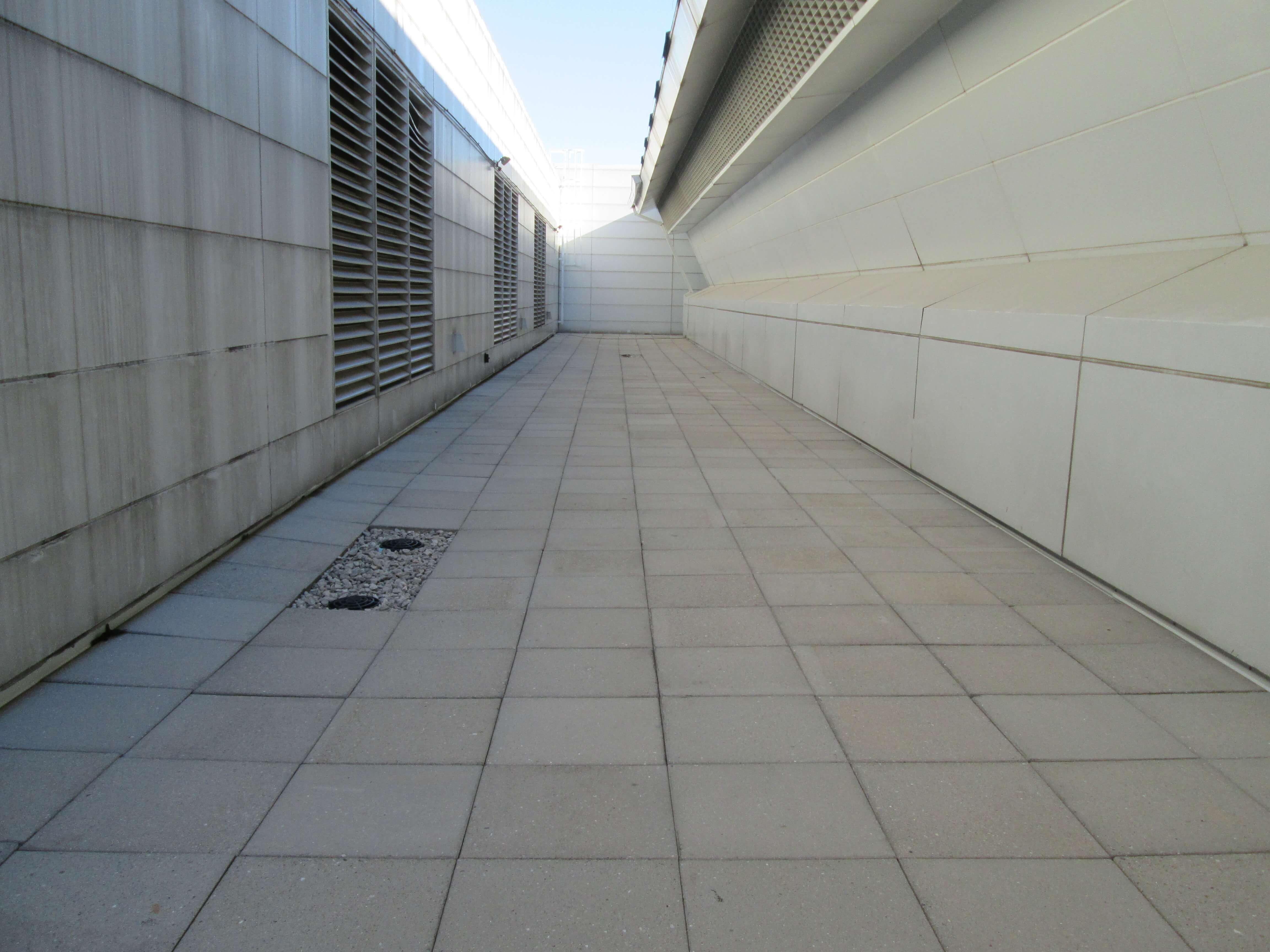
If you manage a single commercial property, roof maintenance is straightforward enough. But if you're responsible for a portfolio (like a mix of office buildings, retail spaces, warehouses, or multi-unit residential properties), the complexity multiplies quickly.
The good news is that with the right framework in place, multi-roof maintenance doesn't have to be reactive or overwhelming. Let’s explore how property managers can more easily handle roof maintenance for multiple roof types.
Why Roof Type Matters For Maintenance Planning
Not all roofs age the same way or fail for the same reasons. A TPO membrane and a standing seam metal roof may sit side by side on two buildings in your portfolio, but they require completely different maintenance protocols, have different common failure points, and carry different warranty obligations.
Treating every roof the same (or worse, ignoring maintenance entirely until a leak forces action) is one of the most expensive mistakes a property manager can make. Understanding what each system needs, and when, is the foundation of any effective maintenance program.
Maintenance Needs By Commercial Roof Type
TPO Roofing Maintenance
TPO membranes are durable and relatively low-maintenance, but they're not maintenance-free. The most common issues they face are seam failures, punctures from foot traffic, and damage around penetrations and flashings. Inspections should focus on seam integrity, the condition of termination details, and any areas where rooftop equipment creates concentrated wear. Debris accumulation and standing water should also be monitored, as prolonged ponding can accelerate membrane degradation.
Recommended maintenance cadence: Twice-yearly inspections (ideally spring and fall) and after any major weather event.
EPDM Roofing Maintenance
EPDM is one of the most forgiving commercial roofing materials, but its adhesive seams and flashings are its most vulnerable components. As the membrane ages, shrinkage can pull flashings away from walls and curbs, creating entry points for water. Look closely at perimeter edges, penetration flashings, and any areas where the membrane terminates against a vertical surface. Surface cracking and blistering are also indicators that the membrane is approaching the end of its useful life.
Recommended maintenance cadence: Twice-yearly inspections, with particular attention to flashings and perimeter details.
PVC Roofing Maintenance
PVC membranes are heat-welded at the seams, making them inherently strong, but the welds should still be checked periodically for integrity. PVC can become brittle over time, particularly in climates with significant temperature swings, so surface condition and flexibility are worth monitoring as the roof ages. Drainage performance and the condition of penetration details are also key inspection points.
Recommended maintenance cadence: Annual inspections, with additional checks following severe weather.
Standing Seam Metal Roofing Maintenance
Standing seam metal roofs are among the lowest-maintenance commercial systems available, but they still require some consideration. Inspect panel seams and clips for signs of movement or stress, check sealants around penetrations and at transitions to other surfaces, and look for any signs of corrosion, particularly at cut edges or areas where dissimilar metals are in contact. Gutters and drainage components associated with metal roofs should be kept clear of debris.
Recommended maintenance cadence: Annual inspections, plus a check after major wind or hail events.
For best results, consult a local roofing expert for more specific recommendations tailored to your maintenance needs. And, as always, ensure your maintenance plan aligns with any requirements outlined in your warranty agreements.
Building A Portfolio-Wide Maintenance Plan
Step 1: Audit Every Roof in Your Portfolio
Before you can plan, you need a clear picture of what you're working with. For each property, document the:
- Roofing system type/materials
- Approximate age
- Last known service or full service history
- Current warranty status
- Any known problem areas
If you don't have this information on file, a professional inspection of each property is the right starting point.
Step 2: Prioritize by Risk
Not all roofs in your portfolio carry the same level of risk. For example, an aging PVC roof on a building with no recent service history and active tenants is a higher priority than a two-year-old metal roofing system in good condition.
Triage your portfolio based on age, condition, and consequence of failure. This step will help you allocate your inspection and maintenance resources accordingly.
Step 3: Align Maintenance Schedules to Each System
Once you know what you have, build a maintenance calendar that reflects the specific needs of each roof type. Standardizing every roof to the same schedule is tempting for simplicity's sake, but it means you'll either be over-investing in low-risk systems or under-investing in high-risk ones. A system-specific approach is more efficient and more effective.
Step 4: Standardize Your Inspection Reports
Consistency in documentation is what separates a real maintenance program from a collection of one-off service calls. Work with your roofing contractor to establish a standard inspection report format for each roof type. Capture condition ratings, photos, identified deficiencies, and recommended actions in a consistent, comparable format. Over time, this documentation becomes a valuable tool for budget forecasting, capital planning, and even supporting claims for insurance companies or warranty agreements.
Step 5: Separate Maintenance from Capital Planning
Routine maintenance and eventual roof replacement are two different budget conversations. A good maintenance program helps you keep each roof performing well for as long as possible. It also gives you the data you need to forecast when replacement will be necessary and begin planning accordingly. Building that distinction into your financial planning avoids surprises and allows for more strategic capital allocation.
Step 6: Establish a Relationship With a Single Trusted Contractor
Managing multiple roofing vendors across a portfolio is inefficient and inconsistent. A versatile roofing contractor who knows your portfolio, understands the specific systems you're managing, and has a documented history of each property's condition is a significant operational advantage. They can flag emerging trends across your properties, prioritize work intelligently, and respond faster when urgent issues arise.
Common Mistakes To Avoid
Waiting for a leak to act. By the time water is visible inside a building, damage has typically already extended well beyond the point of entry. Proactive inspections catch problems while they're still inexpensive to address.
Deferring maintenance to manage short-term costs. Skipped inspections and deferred minor repairs consistently result in larger, more expensive failures down the line. The math on proactive maintenance almost always favors preventative service over waiting for problems.
Losing track of warranty obligations. Most commercial roofing warranties require documented, regular maintenance to remain valid. Failing to maintain service records (or allowing a warranty to lapse through inaction) can eliminate coverage when you need it most.
Treating all roof damage as an emergency. Not every identified deficiency requires immediate action. A good roofing partner will help you triage issues clearly — distinguishing between items that need same-week attention and those that can be addressed at the next scheduled service visit. This process can help you manage costs without taking on unnecessary risk.
How Reliance Roofing Supports Property Managers in the D.C. Metro Area
The commercial roofing experts at Reliance Roofing work with property managers across the D.C. metro region. We understand that your needs go beyond individual repair calls. You need a contractor who can function as a true facilities partner.
Our team provides thorough, documented inspections, consistent reporting, and recommendations that prioritize long-term asset protection over unnecessary work. When problems arise between scheduled visits, we're responsive, transparent, and ready to help you make the right call.
Our commercial roofing experts proudly support businesses throughout the greater D.C. metro area, including Alexandria, Fredrick, Northern Virginia, Fairfax, Springfield, D.C., Fredericksburg, and beyond. If you're ready to build a more structured approach to roof maintenance across your portfolio, contact the experts at Reliance Roofing today.