

The Commercial Roofing Maintenance Checklist: What to Inspect Each Season
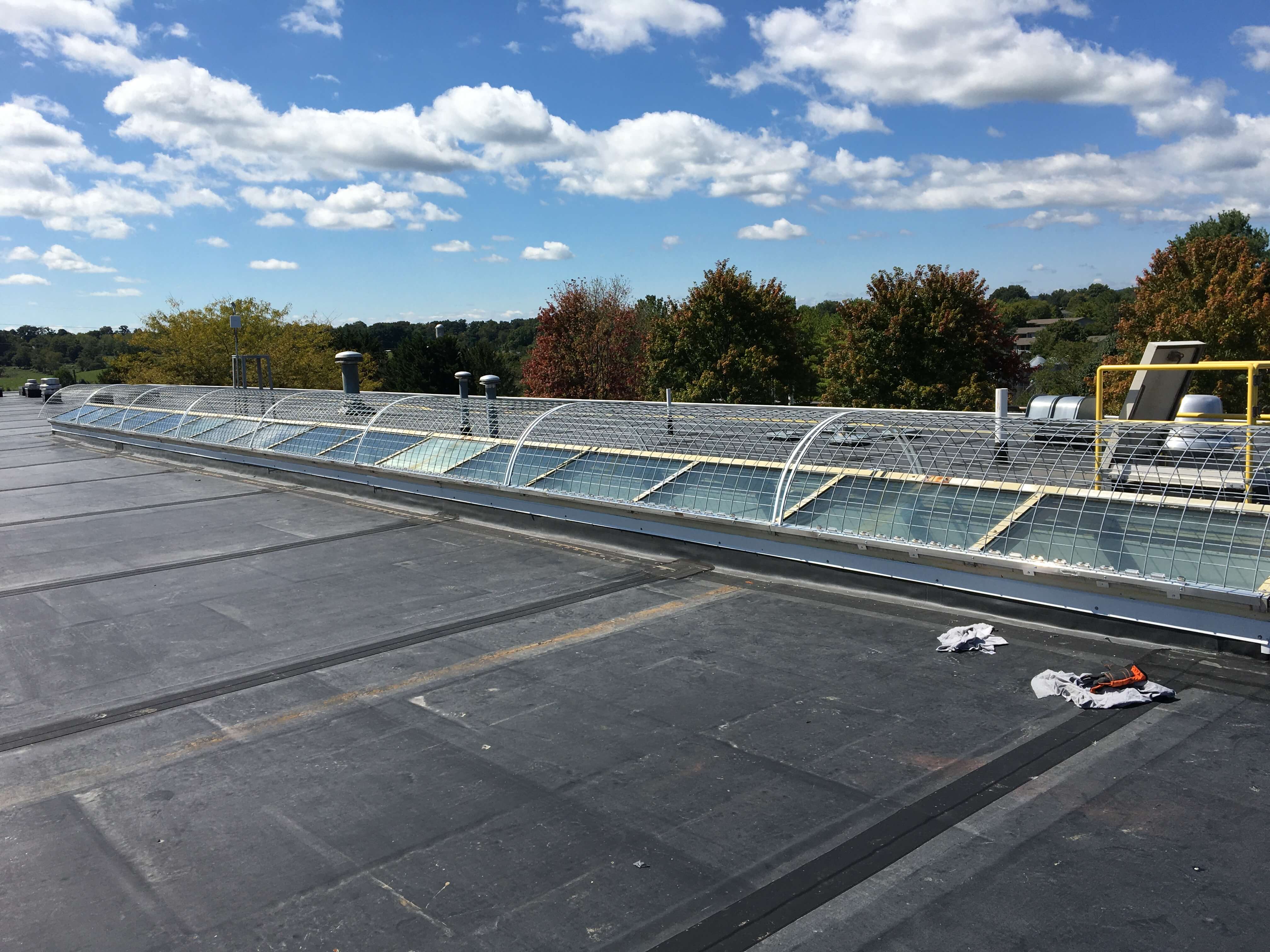
Your commercial roof is one of your building's most valuable assets. It shields your operations from the elements, safeguards equipment and inventory, and protects your employees and customers. Yet many property owners overlook one of the simplest and most cost-effective ways to extend a roof's life: seasonal maintenance.
With regular inspections and proactive care, you can prevent costly leaks, reduce repair expenses, maintain warranty compliance, and maximize your roof's performance year-round. Let's explore what to inspect each season to keep your roof in peak condition.
Why Seasonal Roof Maintenance Is Essential
A commercial roofing maintenance plan is a key strategy for long-term business protection. Why are seasonal roof inspections non-negotiable for any commercial property?
- Prevent small problems from becoming major failures. Tiny leaks or punctures can escalate into structural water damage.
- Extend your roof's lifespan. Routine upkeep can add years of service life to your roofing system.
- Maintain warranty coverage. Many manufacturer warranties require documented inspections.
- Control costs. Planned maintenance helps you budget for small repairs before they turn into emergencies.
- Boost energy efficiency. A watertight, well-insulated roof helps regulate building temperatures and lower utility bills.
Ideally, a commercial roof should be inspected twice a year (often in spring or summer and fall) and after any severe weather event.
Spring Roof Maintenance Checklist
Goal: Recover from winter stress, identify early damage, and prepare for heavy rain and heat.
In spring, focus on assessing any damage from snow, ice, or freezing temperatures. A professional will use this checklist:
- Inspect the roof surface condition. Look for cracks, blisters, or punctures in the membrane.
- Check drainage systems. Clear out gutters, scuppers, and roof drains to prevent ponding water.
- Examine flashings and edges. Winter's freeze-thaw cycles can loosen metal flashings or create gaps. Reseal or tighten as needed.
- Review sealants and expansion joints. Replace cracked or deteriorated caulking and gaskets.
- Inspect rooftop equipment mounts. Confirm HVAC units, rails, and piping supports are secure and not stressing the membrane.
- Check interior ceilings and walls. Look for stains or discoloration that may indicate hidden leaks.
- Document everything. Take photos and record notes for your maintenance log to track changes over time.
Spring Tip: Spring is the best time to apply roof coatings or treatments so they'll have time to cure before summer heat sets in.
Summer Roof Maintenance Checklist
Goal: Monitor thermal expansion, equipment performance, and overall roof health during peak heat.
While summer requires fewer major repairs, heat exposure can accelerate wear. Your expert will focus on:
- Inspecting for membrane expansion or contraction. Look for seams pulling apart or bubbling from heat.
- Checking all roof penetrations. Examine seals and flashings around vents, skylights, HVAC units, and antenna mounts.
- Verifying HVAC drainage. Ensure condensate lines aren't leaking onto the roof surface.
- Clearing debris. Remove leaves, dirt, and organic material that can trap moisture or block drainage.
- Inspecting safety walkways and access points. Make sure walk pads and guardrails are intact and not damaging the roof.
Summer Tip: During periods of extreme heat, consider a reflective coating inspection to ensure your roof is maintaining energy efficiency.
Fall Roof Maintenance Checklist
Goal: Prepare for winter, prevent cold-weather damage, and ensure drainage is ready for snow and freezing conditions.
As temperatures drop, a professional will focus on reinforcing vulnerable areas before ice or heavy rains arrive.
- Inspect the roof membrane for wear. Repair holes, splits, or blisters caused by summer heat.
- Clean and test drainage systems. Clear out leaves, debris, and dirt from gutters, downspouts, and drains to prevent ponding or ice buildup.
- Examine flashings and coping. Wind and temperature changes can loosen metal edges — reseal or reattach as needed.
- Check all sealants and expansion joints. Replace any cracked or brittle materials.
- Inspect penetrations and rooftop equipment. Tighten bolts, check mounts, and reseal where needed.
- Assess snow load risks. Identify weak areas where snow or ice accumulation could stress the roof.
- Inspect building interiors. Look for new leaks, stains, or moisture near roof edges or walls.
Fall Tip: Complete your inspection and any major repairs before early November to stay ahead of freezing temperatures.
Post-Storm Roof Inspection Checklist
Goal: Identify and address storm damage immediately to prevent water intrusion or structural compromise.
After any severe weather (like hail, high winds, or heavy rain), schedule a roof inspection.
- Look for impact damage. Check for punctures, dents, or membrane tears.
- Inspect flashings and seams. Wind uplift can cause separation at edges and penetrations.
- Remove storm debris. Clear fallen branches or loose materials.
- Check for displaced rooftop equipment. Confirm all mechanical units are secure.
- Inspect drains and scuppers. Ensure they're not clogged by debris or standing water.
Even if there's no visible damage, hidden issues may develop over time. Early detection saves money and minimizes disruption.
Partner with Reliance Roofing for Expert Commercial Roof Maintenance
At Reliance Roofing, we've built our reputation on precision, reliability, and long-term performance. Our proactive maintenance programs go far beyond visual inspections. We provide detailed condition reports with photos, warranty-compliant upkeep, preventive repairs, and emergency response services.
Whether you're building offices, manufacturing, retail, or multi-tenant facilities, our experts tailor each maintenance plan to your roof type, location, and traffic patterns. The result is complete confidence that your roof (and your business) is protected in every season. We invite you to contact our Virginia roofing experts or view our work to get started today!