

What Property Managers Should Ask During Annual Roof Inspections
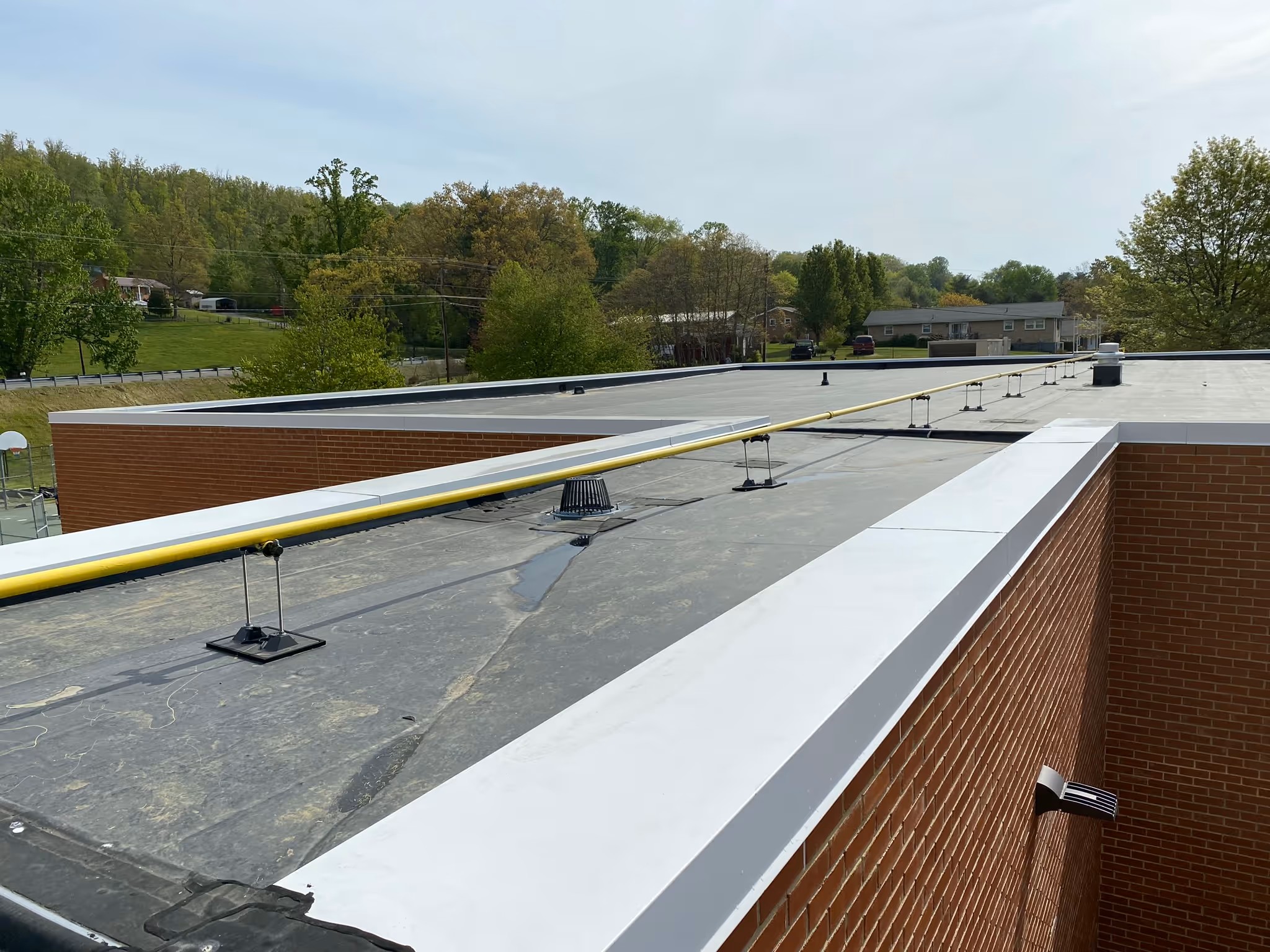
A commercial roof inspection should be more than a quick walkthrough. It should provide actionable insights that help property managers control costs, plan ahead, reduce risk, and protect long-term asset value. At Reliance Roofing, we believe informed property managers get better results.
Let’s explore the most important questions property managers should ask during annual roof inspections, and why each one matters.
Why Asking the Right Questions Is Essential for Business Protection
Commercial roofs are complex systems made up of membranes, insulation, flashing, drainage, and structural components. A simple “looks fine” assessment doesn’t provide enough information to make smart decisions. Asking the right questions helps property managers:
- Identify hidden risks before they become emergencies
- Understand short- and long-term maintenance needs
- Plan budgets more accurately
- Document roof condition for owners, tenants, and insurers
A productive inspection is a two-way conversation.
1. What Is the Overall Condition of the Roof, and How Is That Determined?
Start with the big picture. Property managers should ask how the roof’s condition is being evaluated and what criteria are used. Important follow-ups include:
- Is the condition reported based on visual inspection, testing, or both?
- Are photos or documentation provided?
- How does this condition compare to previous inspections?
A professional inspection should clearly explain whether the roof is in good, fair, or poor condition, and what that means in practical terms.
2. Are There Any Active or Potential Leaks?
Leaks are not always obvious. In many cases, moisture enters the system long before it appears inside the building. Ask:
- Are there signs of current leaks or moisture intrusion?
- Are there areas at higher risk for future leaks?
Early identification allows for low-cost repairs instead of expensive emergency responses and interior damage.
3. What Areas Are Most Vulnerable Right Now?
Every commercial roofing system has weak points, and they often change over time. Ask your inspector to identify:
- Flashing and penetration vulnerabilities
- Seam or membrane wear
- Drainage problem areas
- Sections impacted by foot traffic
Understanding where the roof is most at risk helps prioritize maintenance and prevents small issues from spreading.
4. How Is the Drainage System Performing?
Poor drainage is one of the leading causes of commercial roof failure. Standing water accelerates membrane deterioration and increases leak risk.
Property managers should ask:
- Are drains, scuppers, and gutters clear and functional?
- Is ponding water present? If so, where?
- Could drainage improvements or waterproofing solutions extend my roof’s lifespan?
Addressing drainage issues early can significantly extend roof lifespan and reduce structural stress.
5. Is the Roof Still Under Warranty, and Are We in Compliance?
Roof warranties provide valuable financial protection, but only if requirements are met. Key questions include:
- Is the roof currently under manufacturer or contractor warranty?
- Are annual inspections required to maintain coverage?
- Are any current conditions putting the warranty at risk?
Proper documentation during inspections helps preserve warranty coverage and protects ownership from unexpected expenses.
6. What Maintenance or Repairs Are Needed Now?
A high-quality inspection should clearly separate urgent needs from recommended maintenance. Ask:
- Which issues require immediate attention?
- Which repairs can be scheduled later?
- What are the risks of deferring certain items?
This clarity allows property managers to make informed decisions instead of reacting to emergencies.
7. What Should We Budget for Over the Next 1–5 Years?
Annual inspections are an opportunity to shift from reactive maintenance to proactive planning. Ask your commercial roof inspector:
- What maintenance costs should we expect over the next year?
- Are there signs that major repairs or replacement may be approaching?
- Can you provide a rough timeline for future work?
This forward-looking insight is invaluable for budgeting, capital planning, and owner communication.
8. How Much Service Life Does the Roof Have Left?
Rather than focusing solely on age, property managers should ask about remaining service life. Important considerations include:
- How does the current condition impacts lifespan
- What maintenance could extend service life
- When should replacement planning realistically begin
Understanding remaining lifespan helps avoid rushed decisions and supports long-term asset strategies.
9. Are There Signs of Damage From Foot Traffic or Other Trades?
HVAC service, electrical work, and other rooftop activities can unintentionally damage roofing systems. Ask:
- Are there signs of punctures or membrane wear from foot traffic?
- Are walk paths or protective measures needed?
- How can future damage be prevented?
Addressing foot traffic damage early helps prevent leaks and extends roof performance.
10. How Has the Roof Changed Since the Last Inspection?
Annual inspections should build on previous reports. Ask:
- Are conditions improving, stable, or deteriorating?
- Were prior recommendations completed, and did they help?
- Are there recurring issues that need a different approach?
This year-over-year comparison helps property managers evaluate maintenance effectiveness and contractor performance.
11. Are There Energy Efficiency or Performance Concerns?
The roof plays a major role in building energy performance. Ask:
- Are there signs of insulation issues or heat loss?
- Could repairs or upgrades improve efficiency?
- Are reflective or restorative options worth considering?
Addressing these questions can lead to lower operating costs and improved building comfort.
12. Can You Provide a Clear, Written Inspection Report?
Documentation matters, especially for property managers overseeing multiple buildings or reporting to ownership. A strong inspection report should include:
- Photos of findings
- Clear explanations of issues
- Prioritized recommendations
- Cost estimates, where appropriate
This report becomes a critical tool for budgeting, decision-making, and recordkeeping.
13. What Is the Biggest Risk If We Do Nothing?
This is one of the most important (and often overlooked) questions. Ask your roofing professional:
- What is the most likely failure scenario?
- What could it cost if action is delayed?
- How urgent is intervention?
Understanding risk helps property managers weigh decisions accurately and justify maintenance investments.
Turning Inspections Into Strategic Asset Management
When property managers ask the right questions, annual roof inspections become a powerful planning tool rather than a routine obligation. They enable better financial control, fewer emergencies, and longer roof lifespans.
Choose Reliance Roofing for Trusted Business Roof Inspections
Annual roof inspections are only as valuable as the information they produce. By asking thoughtful, targeted questions, property managers gain clarity, reduce risk, and protect one of their most important building assets.
Reliance Roofing partners with property managers to deliver inspections that provide real answers, actionable insights, and long-term value. We invite you to contact our Virginia roofing experts or view our work to get started today!